
Master the Waves: Discover Boat Driving Skills and Safety Courses with Captain Gary at Yolo Lake Conroe

Learning to drive a boat opens up a world of adventure, freedom, and connection with nature. Yet, boating comes with responsibilities that every new captain must understand to ensure safety on the water. Whether you’re dreaming of leisurely cruises, fishing trips, or watersports, mastering boat driving skills and safety is essential. At Yolo Lake Conroe, Captain Gary offers comprehensive courses designed to equip you with the knowledge and confidence to navigate the waters safely and enjoyably.
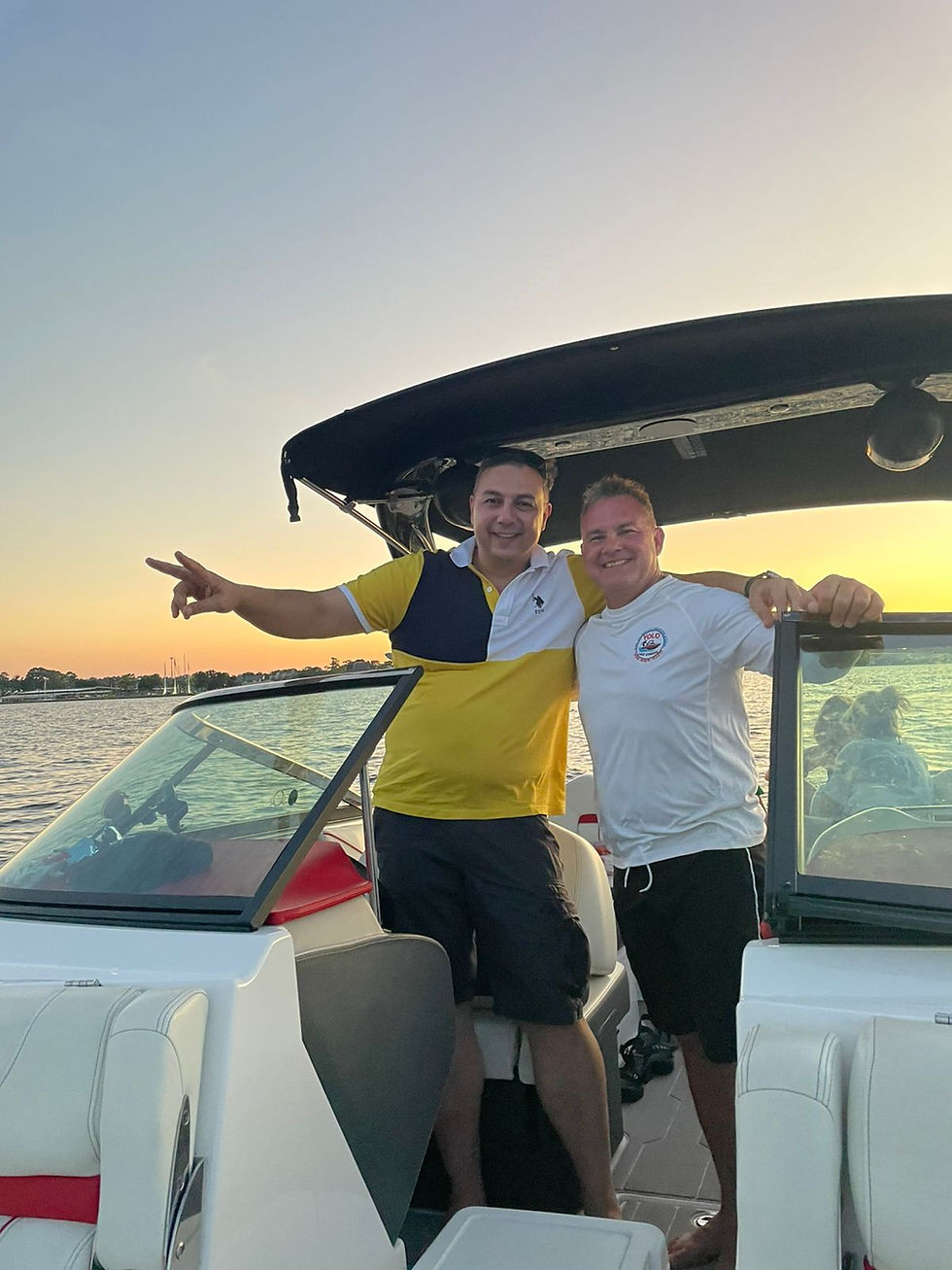
Learn Boat Driving Skills at Yolo Lake Conroe
Captain Gary’s courses focus on practical skills and real-world scenarios that new boaters face. The curriculum covers:
Basic boat handling: Learn how to start, steer, and stop your boat smoothly. This includes understanding throttle control, turning techniques, and docking procedures.
Navigation skills: Gain knowledge of reading nautical charts, using GPS, and recognizing buoys and markers to stay on course.
Rules of the water: Understand the right-of-way rules, speed limits, and no-wake zones to avoid collisions and fines.
Emergency procedures: Practice what to do in case of engine failure, capsizing, or man-overboard situations.
Boat maintenance basics: Learn routine checks and upkeep to keep your boat in good working order.
Environmental awareness: Discover how to protect waterways by following eco-friendly boating practices.
These lessons combine classroom instruction with hands-on experience on Lake Conroe, allowing students to apply what they learn immediately.
Why Boat Safety Education Matters
Boating accidents often result from lack of knowledge or preparation. According to the U.S. Coast Guard, human error causes over 70% of boating accidents. Taking a safety course reduces risks by teaching you how to:
Recognize hazards such as changing weather, currents, and other vessels.
Use safety equipment properly, including life jackets, fire extinguishers, and distress signals.
Communicate effectively with passengers and emergency responders.
Plan trips with safety in mind, including checking weather forecasts and informing others of your itinerary.
Safety education builds confidence and helps prevent accidents that can lead to injury, property damage, or worse. It also ensures compliance with Texas boating laws, which require safety courses for operators born after September 1, 1993.
Success Stories from Yolo Lake Conroe Students
Many students who trained with Captain Gary share how the courses transformed their boating experience:
“Before taking the course, I was nervous about handling the boat alone. Captain Gary’s clear instructions and patient teaching helped me feel in control. Now I enjoy weekend trips with my family without worry.” — Sarah M.
“The emergency drills were eye-opening. I never realized how important it is to practice man-overboard recovery until I did it myself. That training gave me peace of mind every time I go out.” — James L.
“Captain Gary’s course made me a safer and more responsible boater. I passed the Texas boating exam on the first try and feel ready to explore Lake Conroe and beyond.” — Emily R.
These testimonials highlight the value of hands-on learning and expert guidance in building boating skills.
Tips for New Boaters to Stay Safe on the Water
Starting your boating journey can be exciting but also overwhelming. Here are some practical tips to keep safety front and center:
Always wear a life jacket: Make sure everyone on board has a properly fitting life jacket and wears it at all times.
Check the weather: Avoid boating in storms or high winds. Weather can change quickly, so stay informed.
Avoid alcohol: Operating a boat under the influence impairs judgment and reaction time.
Keep a safety kit: Include items like a first aid kit, flashlight, whistle, and extra fuel.
Know your boat’s capacity: Don’t overload your boat with passengers or gear beyond its limits.
Communicate your plan: Let someone on shore know your route and expected return time.
Practice docking and anchoring: These skills help prevent accidents in crowded or unfamiliar areas.
Stay alert: Watch for swimmers, other boats, and obstacles in the water.
By following these tips and continuing your education, you’ll enjoy boating with confidence and responsibility.


Comments